In today’s competitive digital landscape, understanding how technical SEO impacts your Google rankings is crucial for any website owner. By optimizing the infrastructure of your site, you enhance its crawlability and indexing, which directly influences your visibility on search engines. This means that technical SEO is not just a behind-the-scenes task; it actively plays a significant role in how well your content can be found and ranked.
The elements of technical SEO, including site speed, mobile-friendliness, and structured data, all contribute to a more efficient user experience. These factors are essential, as Google prioritizes websites that perform well and offer seamless navigation. Focusing on these aspects helps you not only attract traffic but also convert those visitors into loyal customers.
As you navigate the complexities of SEO, leveraging technical optimization can elevate your online presence. It’s an investment in the foundation of your site that pays off by driving organic traffic and improving your overall rankings in Google search results. By understanding and implementing effective technical SEO strategies, you position yourself for success in the ever-evolving world of online marketing.
Core Principles of Technical SEO
Technical SEO focuses on optimizing your website’s infrastructure to enhance its visibility to search engines. It plays a crucial role in determining how easily search engines can crawl, index, and rank your site. Understanding its core principles can significantly impact your Google rankings.
Understanding Technical SEO
Technical SEO encompasses various strategies and practices that ensure your website is structured correctly for search engines. This includes optimizing your site’s architecture, improving loading speeds, and ensuring mobile-friendliness. Each element plays a vital part in improving user experience and, consequently, search performance.
When your site is technically sound, search engines can more effectively index your web pages, leading to better visibility. This emphasizes the importance of regular audits and updates to maintain optimal performance. Elements like structured data also help search engines understand your content better, enhancing your site’s visibility.
How Technical SEO Differs From On-Page and Off-Page SEO
While technical SEO refers to the backend elements that enhance search engine visibility, on-page SEO deals primarily with content and user experience. On-page optimization includes optimizing title tags, meta descriptions, and content quality. In contrast, off-page SEO focuses on building authority through backlinks and brand awareness.
Technical SEO serves as the foundation for both on-page and off-page SEO strategies. Without a solid technical structure, your on-page efforts may not yield desired results, as search engines will struggle to crawl your site effectively. Therefore, integrating all three aspects is essential for maximizing your SEO strategy and improving Google rankings.
Key Elements Affecting Google Rankings
Several key elements of technical SEO significantly influence your Google rankings:
- Site Speed: A fast-loading site enhances user experience and reduces bounce rates.
- Mobile Responsiveness: With mobile-first indexing, having a mobile-friendly website is essential.
- Secure Connections: Implementing HTTPS ensures data integrity and boosts trustworthiness.
- Crawl Errors: Monitoring and resolving crawl errors prevents search engines from accessing your site.
- XML Sitemaps: Submitting an XML sitemap helps search engines quickly find and index your pages.
By focusing on these elements, you can create a robust technical foundation for your website, driving improved organic traffic and higher search engine rankings.
Crawlability, Indexing, and Site Structure
Crawlability, indexing, and site structure are essential components of technical SEO that directly affect your site’s performance in search results. Ensuring these elements are optimized allows search engines to effectively navigate, index, and rank your website.
Crawlability: Making Sites Accessible to Search Engines
Crawlability refers to the ability of search engine crawlers to access and navigate your site. For optimal crawlability, use a well-structured robots.txt file to guide search engines on which pages to crawl or ignore. Including an XML sitemap also helps by providing a roadmap for crawlers, ensuring they find all relevant pages.
Since page speed can impact crawlability, utilize tools like PageSpeed Insights to improve loading times. Additionally, check for 404 errors and implement proper redirects, such as 301 redirects, to maintain the flow of link equity.
Indexability and Enhancing Search Engine Visibility
Indexability determines whether your pages are stored in search engines’ databases. To improve this, ensure all important pages are crawlable and free from barriers like restrictive meta tags or improper HTTP headers. Address issues such as noindex directives, which prevent indexing and visibility in search results.
Regularly monitor your site’s indexing status using Google Search Console. This tool provides insights into indexing errors and helps you take corrective measures. Improving site structure and ensuring proper internal linking can substantially enhance indexability, giving your pages a better chance to rank.
Site Structure and Navigation
An organized site structure is crucial for both user experience and SEO. A clear and logical layout allows search engines to understand the hierarchy of your content. Use categories and subcategories to group related content, facilitating easy navigation for users and crawlers alike.
Intuitive navigation enhances user experience, which can lower bounce rates and increase dwell time. Implement a robust internal linking strategy to connect related pages, boosting your site’s authority. Ensure that important content is just a few clicks away, helping both users and search engines access it efficiently.
Overall, a well-planned site architecture not only aids in crawlability and indexability but also maximizes your visibility in search results.

Website Performance and Core Web Vitals
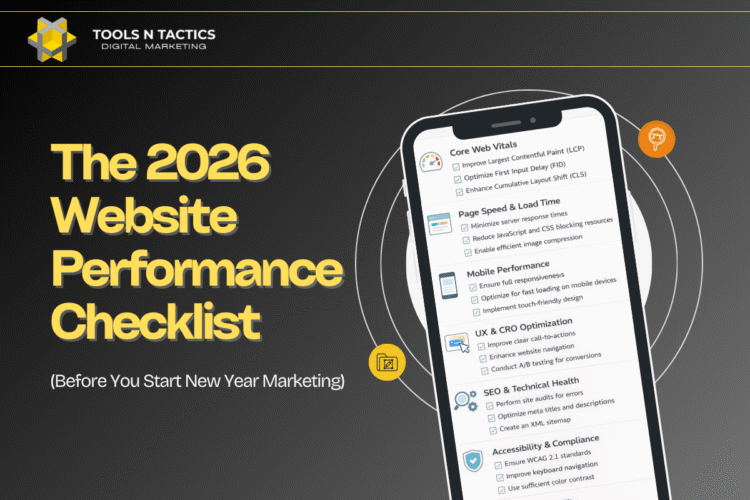
Website performance plays a crucial role in search engine optimization, particularly regarding user engagement and search rankings. Core Web Vitals are essential metrics that reflect how your site performs in terms of speed, interactivity, and visual stability.
Page Load Speed and User Engagement
Page load speed significantly influences user engagement and satisfaction. Faster websites tend to have lower bounce rates, meaning users are more likely to stay on your site and explore its content. A slow-loading page can frustrate visitors, leading to higher bounce rates and lost opportunities. Studies show that even a one-second delay can reduce conversions. Tools like Google PageSpeed Insights help you measure your website’s loading speed and provide actionable recommendations to enhance performance.
Optimizing Server Response Time and Browser Caching
Optimizing server response time is critical for improving website speed. A server that takes too long to respond can severely impact user experience and rankings. You should focus on reducing server response time by optimizing your web server configurations, using a reliable hosting provider, and ensuring that your backend code is efficient. Additionally, implementing browser caching can significantly boost performance by storing frequently accessed files locally in users’ browsers. This practice reduces the need for repeated requests to the server, resulting in a quicker load time for returning visitors.
Google Core Web Vitals: LCP, FID, CLS
Google Core Web Vitals consist of three key metrics: Largest Contentful Paint (LCP), First Input Delay (FID), and Cumulative Layout Shift (CLS). LCP measures loading performance, with a target time of under 2.5 seconds to ensure that your most significant content loads quickly. FID gauges interactivity by measuring the time from when a user first interacts with a page to when the browser responds, with an ideal goal of under 100 milliseconds. CLS assesses visual stability, as unexpected layout shifts can damage user experience; a score below 0.1 indicates good performance. Monitoring these metrics helps you enhance your site’s user experience and improve your search rankings.
Mobile Optimization and User Experience
Optimizing for mobile devices is crucial for enhancing user experience and improving search engine rankings. Mobile-friendliness affects how search engines, particularly Google, evaluate your site. A focus on user satisfaction is paramount in creating an effective mobile experience.
Mobile-First Indexing and Responsive Design
Mobile-first indexing means that Google primarily uses the mobile version of your site for indexing and ranking. This shift emphasizes the need for a mobile-friendly website. Utilizing responsive design ensures that your content adjusts seamlessly to various screen sizes. This adaptability not only aids in ranking but also enhances user experience significantly. When users encounter a well-optimized site on their devices, it reduces bounce rates and encourages longer visits, which can positively influence your search rankings. Tools like Google’s Mobile-Friendly Test can help you assess your website’s performance in this area.
Enhancing User Experience and Satisfaction
A positive user experience (UX) is essential for retaining visitors. Techniques to enhance satisfaction include optimizing page load speed, as slow-loading pages frustrate users and lead to higher abandonment rates. Incorporating engaging visuals and streamlined content also contributes to a better experience. Mobile users appreciate concise information presented effectively. Features that support user engagement, such as clickable buttons and intuitive layouts, improve satisfaction. By aligning your website design with user preferences, you not only attract visitors but also convert them into loyal customers.
Navigation and Interactivity Best Practices
Easy navigation is a cornerstone of mobile optimization. Users should find it effortless to browse through your site. Implementing a clear menu structure, combining with touch-friendly buttons, is vital for enhancing usability. Interactivity elements like click-to-call links and chat features make communication straightforward. Focus on minimizing the number of taps needed to reach desired content. This simple approach fosters user engagement and keeps visitors on your site longer. Moreover, utilizing feedback tools can help gauge user interaction, allowing for continuous improvement and adaptation of your design to meet user needs.

Content Quality, Uniqueness, and Structured Data
To improve Google rankings, focusing on content quality, uniqueness, and structured data is essential. High-quality, unique content resonates with user intent, boosting SEO performance. Implementing structured data further enhances indexing, enabling search engines to understand your content better.
Ensuring Unique and High-Quality Content
Creating unique content is crucial for effective SEO. Quality content aligns with user intent and engages readers, which can result in lower bounce rates and higher conversions.
Incorporate relevant keywords naturally into your text, ensuring they complement the content without compromising readability. Use varied sentence structures and rich vocabulary to maintain reader interest.
Additionally, implementing meta tags can highlight the main topics of your content, improving SEO. Optimize alt text for images to provide context and enhance accessibility. This attention to detail signals to search engines that your content is valuable and relevant.
Preventing Duplicate Content and Using Canonical Tags
Duplicate content can hinder your site’s performance in search rankings. Identifying and resolving duplicate content issues is critical. Ensure each page is unique, offering distinct value to your audience.
Implement canonical tags to indicate the preferred version of your content when duplication is unavoidable. This helps search engines determine which URL should be indexed and ranked.
Regular audits of your site can help you identify and eliminate duplicated URLs. Staying proactive in managing content ensures your site maintains a healthy status with search engines, directly impacting your ranking potential.
Schema Markup and Structured Data for Enhanced Indexing
Structured data plays a vital role in SEO strategy. Implementing schema markup enhances how search engines interpret and display your content in search results. This additional context can improve click-through rates by making search listings more informative.
Different types of schema exist, catering to various content types (e.g., articles, recipes, events). Using structured data for your content helps search engines understand its relationship to user intent, enhancing visibility.
Utilizing structured data effectively can lead to rich snippets, which provide more information upfront. This not only aids indexing but also attracts users’ attention, leading to higher traffic levels. Prioritizing structured data optimizes both your content hierarchy and its discoverability on search engines.
Security, HTTPS, and Ongoing Technical SEO Trends
Maintaining website security is essential for both user trust and improved Google rankings. The implementation of HTTPS and continuous monitoring of technical aspects play key roles in this process. Adapting to current SEO trends, including AI advancements, further enhances your site’s performance.
Implementing SSL and HTTPS for Secure Browsing
To secure your website, implementing SSL (Secure Socket Layer) is critical. SSL certificates encrypt data exchanged between users and your site. This provides a secure browsing experience, which is increasingly important for Google rankings. Transitioning to HTTPS from HTTP is not just about security; it also establishes trust with your visitors.
You should regularly obtain SSL certificates from reputable providers and ensure they renew automatically. This prevents potential lapses in security. Many SEO tools, like SEMrush and Ahrefs, provide insights on SSL implementation. They can help identify any security vulnerabilities that might affect your rankings.
Monitoring and Fixing Crawl Errors
Regularly monitoring crawl errors is vital for maintaining your site’s health. Google Search Console is a valuable tool that helps you identify broken links and other issues that may hinder crawlability. These errors can directly affect your website’s visibility in search results.
You should create a routine for checking your site’s crawl errors and addressing them promptly. Fixing broken links improves user experience and boosts SEO. Ensure that internal and external links are functional. Keeping track of these elements helps maintain a seamless navigation flow, critical for user retention.
Staying Ahead With SEO Trends and AI
Keeping up with SEO trends, including the advancements in AI, will position your site for ongoing success. Search engines are increasingly leveraging AI to understand user intent. This means you need to adapt your strategies accordingly.
Incorporate AI-powered tools to analyze data and optimize content. These tools can provide insights into keyword performance, audience behavior, and competitor strategies. Staying informed about new SEO tactics through reputable sources ensures your methods align with current trends, enhancing your site’s performance and visibility. Embracing these innovations is key to maintaining a competitive edge in the digital landscape.
Frequently Asked Questions
Technical SEO plays a crucial role in enhancing your website’s visibility and rankings on Google. Understanding its components can significantly impact how search engines perceive and rank your site. Here are some common inquiries related to this important topic.
What are the key elements of technical SEO that influence search engine rankings?
Key elements of technical SEO include site speed, mobile responsiveness, structured data markup, secure sockets layer (SSL) implementation, and crawlability. Each of these factors contributes to how well search engines can index and rank your site. Optimizing these elements helps ensure that your website performs efficiently both for users and search bots.
How does improving site speed affect Google search rankings?
Improving site speed is critical as Google considers page loading times a ranking factor. Faster websites enhance user experience, leading to lower bounce rates and higher engagement. A delay of just 0.1 seconds in mobile loading speeds can decrease traffic by 20%, presenting a strong case for prioritizing speed optimization.
What role does mobile responsiveness play in influencing the rank of a website on Google?
Mobile responsiveness ensures that your website functions effectively on various devices, particularly smartphones. Google favors websites that provide a seamless mobile experience. A mobile-friendly site not only improves user satisfaction but also positively affects your search rankings due to the mobile-first indexing approach adopted by Google.
How can structured data markup enhance a site’s presence in Google search results?
Structured data markup helps search engines understand the content on your site more effectively. By providing additional context about your pages, such as product information, reviews, or events, structured data can lead to rich snippets in search results. This enhanced visibility can attract more clicks and improve your ranking potential.
In what ways does website security impact SEO and Google rankings?
Website security, particularly through SSL certification, is important for SEO. A secure site earns user trust and is favored by Google in rankings. Implementing HTTPS not only protects user data but also signals to search engines that your site is secure, potentially boosting your rankings.
Why is crawlability essential for maintaining a strong position in Google’s search results?
Crawlability refers to the ease with which search engines can access and index your site. If your site is difficult to crawl due to broken links, poor site structure, or complex navigation, search engines may struggle to index your content properly. Ensuring that your website is easily crawlable is vital for maintaining its visibility in search results.
Ready to improve your website’s technical performance?
Partner with Tools ‘N Tactics for expert SEO audits, optimization strategies, and ongoing support that boost rankings and drive measurable results.
Contact Tools ‘N Tactics today to start optimizing your site the right way.